Violetail Modern: A Strategic Choice for Deliberate, Distinctive Communication
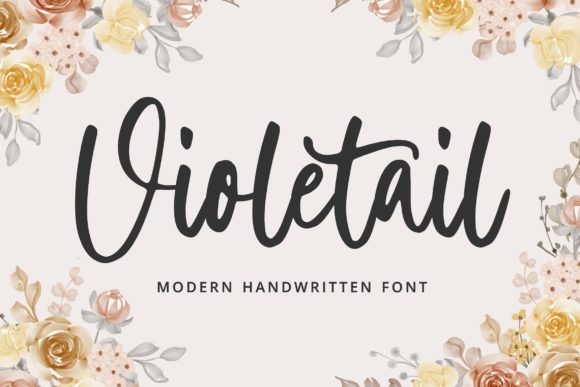
Violetail Modern is not just another handwritten font. It’s an intentional design artifact—elegant, dainty, and defined by its sweet, delicate swashes. Unlike expressive script fonts that prioritize flair over function, Violetail Modern balances visual charm with quiet precision. Its letterforms carry warmth without sacrificing legibility at moderate sizes, and its swashes offer subtle emphasis—not distraction. For professionals who understand that typography shapes perception before a single word is read, Violetail Modern functions as both a tool and a signal: one of care, craft, and considered intent.
Why Strategic Typography Matters More Than You Think
Typography isn’t decoration—it’s decision infrastructure. Every font you choose communicates assumptions about audience, context, and values. Violetail Modern signals approachability paired with refinement. That makes it especially effective when your goal is to soften formality without undermining authority—think boutique service branding, educator-led course materials, or artisanal product packaging. It doesn’t shout; it invites. And in saturated digital environments where attention is scarce and first impressions are instantaneous, that invitation can be the difference between engagement and dismissal.
But here’s what many overlook: using Violetail Modern well requires alignment—not just aesthetics. Its strength lies in contrast. When layered against clean, structured sans-serifs (like Inter, Lato, or IBM Plex Sans), Violetail Modern gains resonance. Used alone, or alongside other decorative scripts, it risks visual noise or tonal ambiguity. Strategy begins with pairing, not picking.
Where Violetail Modern Delivers Measurable Value
Consider these high-leverage use cases—each grounded in real-world outcomes:
- Brand voice calibration: Small business owners launching lifestyle brands (e.g., ceramic studios, mindful coaching practices, handmade stationery lines) use Violetail Modern in logos and headers to reinforce authenticity and tactile sensibility—without leaning into clichéd “boho” tropes.
- Customer-facing collateral: Educators designing workshop handouts or freelancers crafting proposal covers apply Violetail Modern to titles and section headers. The result? Materials feel personally curated—not templated—increasing perceived value and retention.
- Digital-first subtlety: Bloggers and content creators embed Violetail Modern in featured quote graphics or email newsletter headers. Because its swashes remain legible even at 24–32px on screen, it adds distinctive texture without compromising accessibility or load performance.
- Print differentiation: Publishers producing limited-run poetry chapbooks or indie zines use Violetail Modern for chapter titles and epigraphs. Its delicacy contrasts meaningfully with robust body text, guiding pacing and emotional tone across physical pages.
When—and When Not—to Reach for Violetail Modern
Violetail Modern excels in contexts where warmth, intention, and human scale matter. It supports goals tied to connection, memorability, and brand cohesion. But it falters where neutrality, urgency, or broad readability are primary requirements.
Avoid it for:
- Legal disclaimers, technical documentation, or compliance-heavy interfaces—clarity and speed trump elegance here.
- Mobile-first UI elements like buttons or navigation labels—its fine strokes and swashes reduce tap-target confidence below 18px.
- Brands built on innovation, disruption, or technical authority (e.g., SaaS dashboards, fintech reports)—Violetail Modern may unintentionally soften credibility if not anchored by strong supporting typography and visual hierarchy.
The distinction isn’t about “good” or “bad”—it’s about functional fit. Ask yourself: Does this usage advance a specific outcome? Or does it simply look nice in isolation?
Implementation Principles That Prevent Regret
Intentional use starts before installation. Here’s how experienced designers and communicators plan:
- Define the outcome first: Are you aiming to increase email open rates? Strengthen brand recognition among a niche audience? Differentiate printed materials at local markets? Let the goal—not the font—drive the decision.
- Test at actual size and context: Render Violetail Modern in your intended environment—on a smartphone screen, beside your existing brand palette, next to body copy in its final weight and size. Swashes that look graceful at 48px in Figma may vanish at 16px on iOS Safari.
- Limit scope deliberately: Use Violetail Modern for *one* structural layer—typically headlines, logos, or pull quotes. Never for body text, data tables, or interface labels. Restraint preserves impact; overuse dilutes meaning.
- Verify licensing for your use case: Violetail Modern is often licensed per platform (web, desktop, app). Using it in client deliverables or SaaS products requires explicit commercial rights. Skipping this step creates operational risk—not just legal exposure.
Risks of Aesthetic-First Adoption
Without grounding in goals, Violetail Modern becomes stylistic drift. Common pitfalls include:
- Tonal misalignment: A financial advisor using Violetail Modern across all client reports may unintentionally signal informality where trust and precision are expected.
- Accessibility oversights: Its light weight and variable stroke contrast can fall below WCAG contrast thresholds when used over soft backgrounds—especially problematic for users with low vision.
- Scalability gaps: Swashes that enhance elegance at 36px often compromise legibility in responsive layouts below 28px, leading to inconsistent experiences across devices.
- Brand dilution: When applied across too many touchpoints—or inconsistently (e.g., only in social posts but not email)—Violetail Modern fails to reinforce identity and instead fragments perception.
These aren’t flaws in the font. They’re consequences of deploying any typographic asset without strategic framing.
Long-Term Positioning: Beyond the First Impression
Violetail Modern supports long-term brand equity when treated as part of a deliberate system—not a one-off flourish. Consider how it behaves across time: Does it age gracefully alongside your visual language? Will it still feel intentional five years from now, or will it date your work?
Brands that sustain resonance treat typography like architecture—not ornament. Violetail Modern works best when it anchors moments of pause: a welcome header on a sales page, the title of a signature guidebook, the monogram on custom thank-you cards. These aren’t throwaway touches. They’re repeated cues that train audiences to associate your work with thoughtfulness and care.
That consistency compounds. Over months and years, those small, deliberate uses build subconscious familiarity—making your communications more recognizable, more trusted, and more likely to be shared. That’s not aesthetic luck. It’s cumulative strategy.
Final Guidance: Choose With Purpose, Not Preference
Violetail Modern earns its place when chosen for what it enables—not just how it looks. It supports clarity through contrast, builds connection through restraint, and reinforces positioning through repetition. But none of that happens automatically.
Before downloading, ask: What specific outcome does this serve? Who needs to understand it—and how will they encounter it? What else surrounds it, and how does that relationship support my goal?
If the answers are clear, Violetail Modern becomes more than a font. It becomes part of your operational discipline—a quiet, consistent lever for better decisions, stronger communication, and more meaningful results.