Aiko Font: The Sweet, Friendly Handwritten Typeface That Brings Warmth to Every Design
Imagine opening a hand-written note from a close friend—slightly imperfect, full of personality, and instantly warm. That’s the feeling Aiko delivers as a font. More than just a collection of letters, Aiko is a sweet and friendly handwritten typeface designed to evoke authenticity, approachability, and human connection. Whether you're crafting a wedding invitation, designing a cozy café menu, or building a brand that values empathy and creativity, Aiko offers a natural, expressive voice that stands out in today’s often sterile digital landscape.
What Is Aiko—and Why Does It Feel So Genuine?
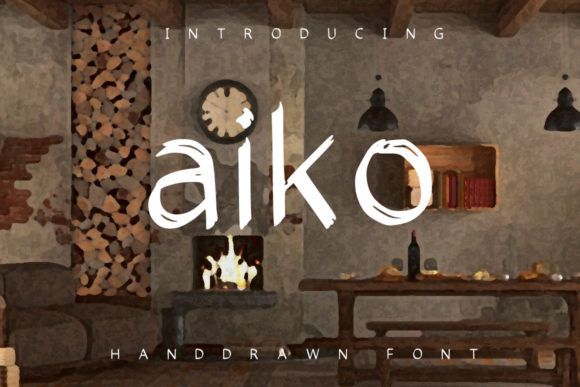
Aiko is a carefully crafted handwritten font that mimics the organic flow of real pen-on-paper writing. Unlike rigid, geometric sans-serifs or formal serif fonts, Aiko features subtle variations in stroke weight, gentle curves, slight inconsistencies in letter spacing, and soft entry/exit strokes—all hallmarks of authentic handwriting. These details aren’t flaws; they’re intentional design choices rooted in human-centered typography.
Developed with both aesthetic sensitivity and functional clarity in mind, Aiko balances legibility with charm. Its lowercase “a,” “g,” and “y” include playful, open forms—while uppercase letters retain enough structure to ensure readability at small sizes. This duality makes Aiko unusually versatile: it works beautifully on a delicate greeting card and as a bold headline on a social media graphic.
The Purpose Behind the Personality
Typography isn’t just about appearance—it’s about communication. Fonts carry tone, context, and emotional resonance before a single word is read. Aiko exists to fill a specific need: to soften digital experiences and reintroduce warmth into visual communication. In an era where users scroll past hundreds of messages daily, Aiko helps content stand out—not through loudness, but through sincerity.
Brands increasingly recognize that trust isn’t built solely through logic or features—it’s nurtured through relatability. That’s why wellness studios, indie bakeries, children’s book illustrators, and mindful lifestyle bloggers consistently choose Aiko. It signals: “We see you. We care. This was made with thought—not just automation.”
Where Aiko Fits Into Modern Life and Work
From personal projects to professional branding, Aiko adapts seamlessly across contexts—thanks to its thoughtful design and broad language support (including Latin-based alphabets, diacritics, and common punctuation). Here’s how it enhances real-world applications:
- Creative Projects: Handmade greeting cards, scrapbook layouts, and custom stationery gain instant charm with Aiko. Its natural rhythm invites slower reading and deeper emotional engagement.
- Educational Materials: Teachers use Aiko for classroom posters, student handouts, and early-literacy worksheets—its friendly shape supports visual recognition without overwhelming young learners.
- Digital Marketing: Email subject lines, Instagram story text overlays, and landing page subheadings benefit from Aiko’s approachable presence—especially when targeting empathetic, values-driven audiences.
- Small Business Branding: Local coffee shops, yoga studios, and handmade goods sellers use Aiko in logos, packaging, and signage to reflect their hands-on, community-oriented values.
- Web & App Interfaces: While not ideal for long-form body text, Aiko shines in microcopy—think call-to-action buttons (“Let’s Begin”), testimonial quotes, or onboarding welcome messages.
Common Misconceptions About Handwritten Fonts Like Aiko
Despite its growing popularity, Aiko—and handwritten fonts in general—are sometimes misunderstood. Let’s clarify three frequent assumptions:
- “Handwritten fonts are unprofessional.” Not true. Professionalism stems from appropriateness—not uniformity. A law firm may prioritize crisp serifs, but a pediatric therapy practice gains credibility by choosing a font like Aiko that reflects compassion and accessibility.
- “They’re hard to read on screens.” Modern handwritten fonts—including Aiko—are engineered for screen use. With proper sizing (16px minimum for UI elements), sufficient contrast, and smart pairing (e.g., Aiko headlines + clean sans-serif body text), readability is excellent.
- “They’re only for ‘cute’ or ‘feminine’ brands.” Aiko’s warmth transcends gendered stereotypes. Its versatility supports minimalist design, rustic aesthetics, modern boho, and even tech-adjacent wellness platforms—proving warmth and sophistication coexist.
How to Use Aiko Effectively (Without Overdoing It)
Like any expressive tool, Aiko thrives when used intentionally—not excessively. Here are practical tips grounded in typographic best practices:
- Pair wisely: Combine Aiko with neutral, highly legible fonts like Inter, Open Sans, or Lato for body copy. This contrast creates hierarchy and ensures clarity.
- Respect scale: Use Aiko at larger sizes (24px and up) for maximum impact. Avoid using it below 14px in digital interfaces or tiny print applications.
- Limit scope: Apply Aiko to headlines, quotes, logos, or short labels—not paragraphs or data tables. Let it highlight, not explain.
- Test accessibility: Ensure sufficient color contrast (at least 4.5:1 against background) and avoid placing Aiko over busy textures or low-opacity images.
- Consider licensing: Aiko is available under various licenses—including free personal-use versions and affordable commercial options. Always verify usage rights before deploying in client work or products.
Why Aiko Matters Beyond Aesthetics
In a world saturated with AI-generated content, algorithmic feeds, and templated designs, human intentionality has become a rare and valuable differentiator. Aiko doesn’t just look hand-drawn—it invites the designer to slow down, consider tone, and prioritize emotional resonance alongside function.
For educators, it reinforces the idea that learning can be joyful and tactile. For entrepreneurs, it becomes part of a values-aligned brand story. For developers and UX designers, it’s a reminder that interface text shapes user psychology more than we often acknowledge.
And for everyday creators—students making presentations, parents designing birthday banners, or hobbyists journaling digitally—Aiko lowers the barrier between idea and expression. You don’t need calligraphy skills to convey sincerity. You just need the right tool.
Final Thought: Your Imagination Is the Only Limit
The official description of Aiko says it best: “Its natural and unique style makes it incredibly fitting to a large pool of designs. The only limit is your imagination.” That’s not marketing fluff—it’s an invitation. Typography shapes perception, guides attention, and silently communicates who you are—or who you want to be.
Whether you’re redesigning your portfolio website, launching a passion project, or simply sending a heartfelt message to someone who needs encouragement, Aiko offers something increasingly precious: authenticity, delivered with kindness. It won’t solve every design challenge—but it will help you meet your audience not with perfection, but with presence.
So go ahead: download Aiko, experiment freely, and remember—the most powerful designs aren’t always the loudest. Sometimes, they’re the ones that feel like a quiet, confident smile.