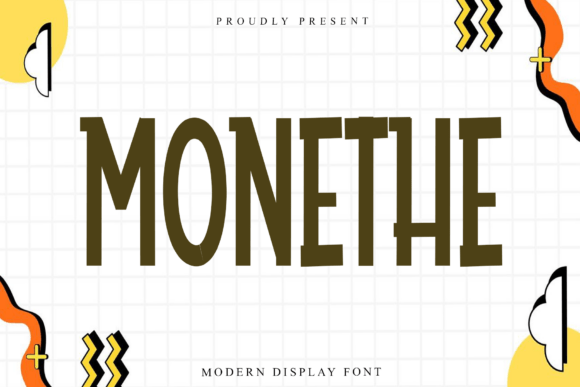
Monethe: Crisp Handwritten Elegance for Modern Design
If you’ve ever scrolled past a travel blog with typography that feels like stepping onto a sunlit alpine trail—clean, intentional, and quietly confident—you’ve likely seen the quiet power of a typeface like Monethe. It’s not just another handwritten font. Monethe is a deliberate, professional entry into the modern script category—one built for clarity first, ornamentation second.
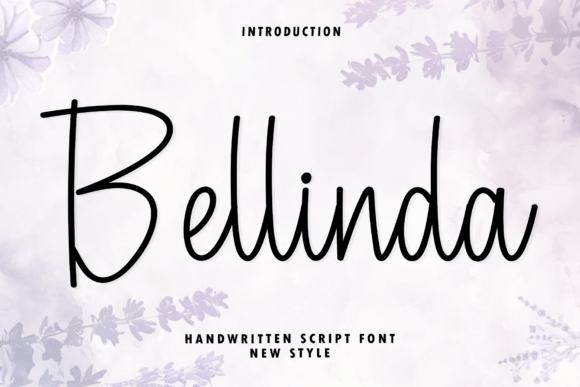
What sets Monethe apart isn’t flourish or exaggeration. It’s restraint. Its tall, thin strokes carry weight without heaviness; its subtle, airy slant suggests motion and breath—not haste, but forward momentum. Think of it as handwriting refined through editorial discipline: legible at small sizes, expressive at large ones, and consistently harmonious next to sans-serifs or delicate serifs.
Why Monethe Fits Where Other Scripts Fall Short
Many handwritten fonts sacrifice readability for personality—or worse, try to be everything at once. Monethe avoids that trap. Its construction prioritizes optical balance: x-height is generous, counters are open, and spacing is tuned for rhythm, not randomness. That means it works reliably in contexts where legibility and tone must coexist—like a product label on sustainably sourced hiking gear, or the headline over a photographer’s portfolio landing page.
Unlike scripts that lean heavily into calligraphic drama or casual doodle energy, Monethe occupies a nuanced middle ground. It’s warm enough to feel human, precise enough to feel trustworthy. That duality makes it unusually versatile across audiences and platforms—from a university’s outdoor education program seeking approachable authority, to a boutique coffee roaster launching a minimalist web shop.
Real-World Applications You Can Use Today
Here’s where Monethe shines—not in theory, but in practice:
- Travel & Nature Branding: A national park’s seasonal newsletter gains quiet sophistication when Monethe headlines a story about migratory bird routes. Its verticality echoes mountain peaks; its lightness mirrors clear sky—no forced metaphors needed.
- Outdoor Gear Identity: Logos for ultralight backpacks or eco-conscious apparel benefit from Monethe’s clean stroke contrast. Paired with a sturdy geometric sans (like Inter or Manrope), it signals both craftsmanship and care—without shouting.
- Sophisticated Web Design: Used sparingly for hero text, section dividers, or testimonial quotes, Monethe adds texture without clutter. It performs well on responsive layouts because its proportions scale predictably—even at 24px on mobile.
- Educational Materials: Teachers designing field journal templates or environmental science handouts find Monethe strikes the right note: authoritative yet inviting, structured yet personal.
- Editorial & Publishing: Independent magazines covering slow travel, sustainable design, or mindful living use Monethe for pull quotes and chapter openers—it lends gravitas without stiffness.
What Designers Notice First (and Why It Matters)
Seasoned typographers appreciate how Monethe handles kerning pairs—especially around common letter combinations like “Th”, “an”, and “re”. There’s no awkward crowding or unintended gaps. That translates directly to time saved in layout: fewer manual adjustments, less visual fatigue during long editing sessions.
Its OpenType features include stylistic alternates for key letters (like a more upright “g” or a simplified “y”), letting you fine-tune tone without switching fonts. And while it’s not a variable font, its consistent weight distribution means it pairs naturally with both light and medium sans-serif companions—no jarring contrast in visual mass.
Practical Considerations Before You Implement
Monethe isn’t designed for body text. Its elegance lives in hierarchy—not paragraphs. Reserve it for headings, logos, short quotes, or accent elements. For extended reading, pair it with a highly legible, neutral sans-serif (e.g., Public Sans, IBM Plex Sans, or Work Sans). Avoid pairing it with other decorative scripts—that dilutes its distinct voice.
When using Monethe digitally, test rendering across devices. On lower-DPI screens, very thin strokes may soften slightly—so avoid ultra-light weights for critical UI labels. Stick to the Regular or Medium weight for maximum clarity in buttons or navigation items.
For print, Monethe holds up beautifully at 12pt and above. If you’re printing on textured paper (like cotton rag or recycled stock), its crispness actually gains character—the slight paper tooth interacts with the fine strokes in a way that feels tactile and intentional.
A Note on Licensing & Workflow
Monethe is typically offered with standard desktop, web, and app licensing tiers. If you’re building a SaaS dashboard or embedding it in a mobile app, verify the license covers your deployment method—some versions require extended permissions for dynamic text rendering. Most foundries provide clear usage guidelines; read them before purchase, especially if your project involves user-generated content (e.g., a platform where customers customize apparel with Monethe text).
Because Monethe’s character set includes full Latin-1 support (plus basic diacritics), it handles most European languages cleanly. It doesn’t cover extended Cyrillic or Arabic scripts—but that’s by design. Its focus is precision within scope, not breadth at the cost of quality.
When Monethe Isn’t the Right Choice
Be honest: if your brand voice leans into bold, playful, or retro-futuristic energy—think neon-lit streetwear or vintage arcade branding—Monethe will feel too reserved. Likewise, if you need rapid-fire, high-contrast impact (like festival posters or social media ads competing for attention in a feed), a bolder, more condensed display face may serve better.
It also assumes your audience values subtlety. In markets where visual noise equals perceived energy (certain e-commerce niches, youth-focused campaigns), Monethe’s calm confidence might read as understated—to the point of invisibility. Context always guides fit.
Ultimately, Monethe earns its place not by being everywhere, but by being *exactly* right where it lands. It’s the kind of typeface that doesn’t ask to be noticed—until you realize how much the design feels complete because it’s there. That’s the mark of thoughtful typography: invisible craft supporting unmistakable presence.