Max: Elegant Script for Timeless Communication
When a single word carries weight—like “forever” on a wedding invitation, “signature” beneath a luxury brand logo, or “introduction” atop a thoughtfully crafted editorial—it deserves more than standard typography. It deserves Max: an elegant script font rooted in the rhythm of traditional calligraphy, yet refined for contemporary clarity and impact.
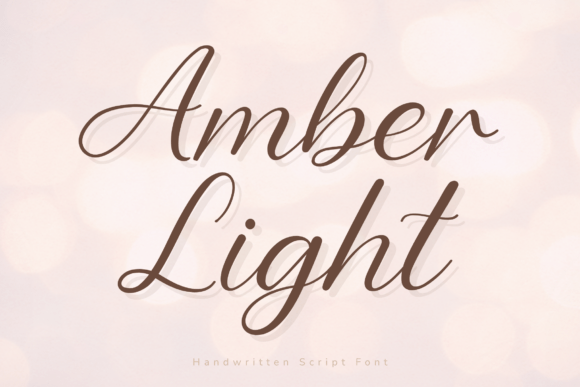
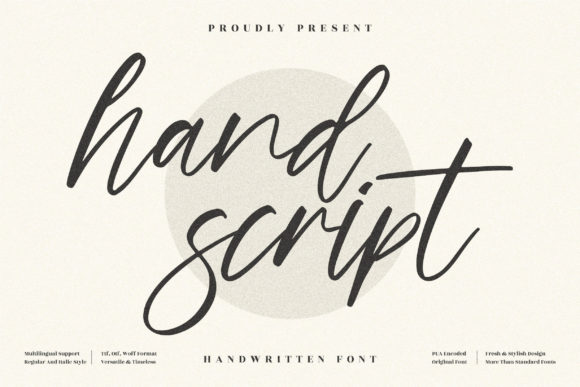
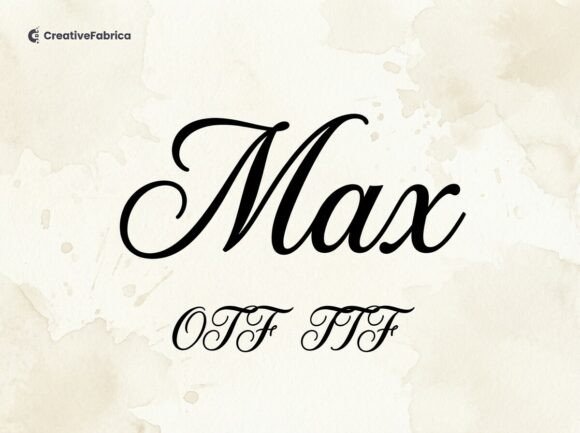
Max isn’t just decorative. Its smooth, sweeping curves and high-contrast strokes—thick downstrokes paired with fine, airy upstrokes—create visual harmony that feels both intentional and human. That balance is rare. Many script fonts lean too far into flourish (losing legibility) or too far into minimalism (sacrificing warmth). Max holds the line: professional enough for client-facing deliverables, intimate enough to evoke personal connection.
Why Max Works Where Other Scripts Fall Short
Legibility at small sizes is one of Max’s quiet strengths. Unlike many ornate scripts that blur or collapse below 18pt, Max maintains graceful distinction between letters—even in delicate contexts like monogrammed linen napkins or engraved foil-stamped business cards. Its open counters and generous spacing prevent crowding, especially in words with repeated rounded letters (“beautiful,” “eternal,” “cursive”). This isn’t accidental; it’s built into Max Classic’s design DNA.
That same clarity extends to digital use. When used thoughtfully—say, as a hero headline in a brand’s email campaign or as a subtle accent in a Shopify store’s “About Us” section—Max conveys craftsmanship without sacrificing screen readability. It performs best at larger sizes (24pt and up for print, 32px+ for web), where its contrast and flow truly breathe. But unlike some display scripts, it doesn’t require excessive tracking or manual kerning to read well—a real time-saver for designers juggling tight deadlines.
Real-World Uses That Benefit From Max’s Refinement
Wedding stationery is where Max shines most consistently. Couples investing in letterpress invitations, custom wax seals, or hand-calligraphed place cards often seek authenticity—not imitation. Max delivers that authenticity digitally: its natural stroke variation and organic entry/exit terminals suggest hand-drawn effort without demanding actual handwriting skill. A designer can set full names, dates, and venues in Max and achieve cohesion across save-the-dates, menus, and thank-you notes—no need to hire a calligrapher for every piece.
Luxury branding is another strong fit. Think skincare lines launching minimalist packaging, boutique hotels refining their welcome suite, or independent publishers designing limited-edition book jackets. In these cases, Max adds tonal precision: it signals care, heritage, and attention to detail—not opulence for its own sake. Used sparingly (e.g., only for the brand name or chapter titles), it elevates without overwhelming. Overuse—such as body text or long paragraphs—undermines its strength. Max is a voice, not a narrator.
Editorial design benefits too, particularly in lifestyle magazines, literary journals, or premium newsletters. A Max-set pull quote beside serif body text creates gentle hierarchy and emotional resonance. Its rhythm slows the reader just enough—inviting pause, reflection, emphasis. One editor we spoke with uses Max exclusively for opening epigraphs in her quarterly print zine; readers regularly comment on how the type “feels like a whisper before the story begins.”
Who Gains the Most—and When to Pause Before Choosing
Freelance designers, small studio owners, and in-house marketers working with premium clients often find Max accelerates trust-building. When presenting a rebrand proposal to a heritage jewelry brand or a boutique vineyard, Max in a mockup signals you understand nuance—not just aesthetics. It subtly communicates that you’ve considered tone, audience expectation, and tactile experience (even in digital comps).
Educators crafting certificates, award diplomas, or commencement programs also report strong results. Max lends gravitas without stiffness. One university department switched from generic script fonts to Max for its annual teaching excellence awards—and saw a noticeable uptick in recipients sharing photos on social media. The font felt “worthy of framing,” they said.
That said, Max isn’t universal. It’s not suited for data-heavy reports, technical documentation, multilingual typesetting (limited language support beyond Western European), or UI interfaces requiring rapid scanning. If your project demands neutrality, speed, or broad accessibility (e.g., government forms or healthcare instructions), a highly legible sans-serif remains the responsible choice.
Also consider context. Pairing Max with overly geometric or ultra-thin companions can create visual tension. It harmonizes best with sturdy serifs (like Adobe Caslon or Tiempos Text) or warm, low-contrast sans-serifs (such as Founders Grotesk or Sofia Pro). Avoid pairing it with other scripts—especially those with competing contrast or energy. Max thrives in thoughtful contrast, not competition.
Practical Tips for Getting the Most From Max
- Start with hierarchy: Use Max only for primary emphasis—logos, headlines, short quotes—not body copy or captions.
- Respect its scale: On screen, keep it above 28px for headings; in print, aim for 16pt minimum for display use, 24pt+ for optimal flow.
- Kern intentionally: While Max includes well-tuned default spacing, always check letter pairs like “To,” “We,” and “Va.” Slight manual adjustments prevent awkward gaps or collisions.
- Test in context: View Max alongside your final paper stock, ink finish, or screen background. Its elegance reads differently on matte cotton rag versus glossy digital displays.
- Consider Max Classic: If you need slightly more robust stroke consistency for smaller applications (e.g., engraved tags or embroidered labels), Max Classic offers subtle refinements for durability without losing grace.
Ultimately, Max matters because typography is never neutral. It shapes perception before a single word is read. Choosing Max signals intention—to honor tradition while serving modern needs, to balance artistry with function, to make something feel both elevated and human. It won’t solve every design challenge, but when the moment calls for quiet confidence, enduring style, or heartfelt distinction, Max meets that moment with composure—and a little sweep of the pen.