Grape Juice
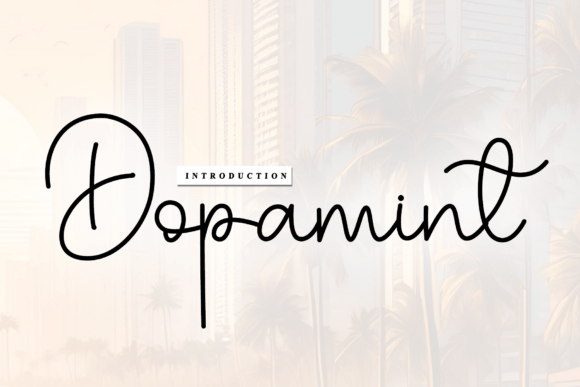
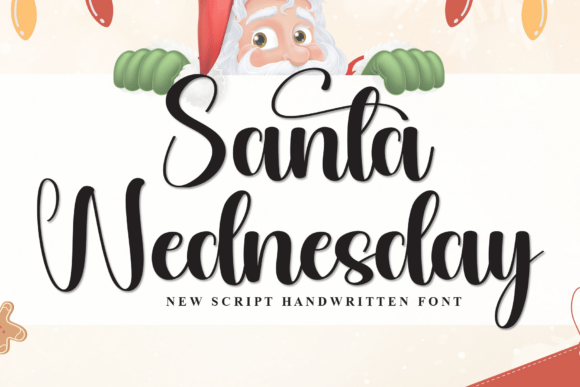
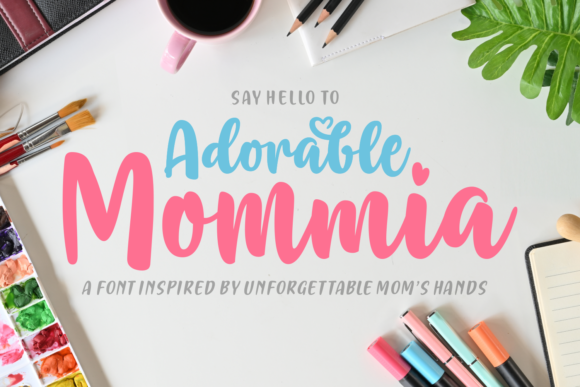
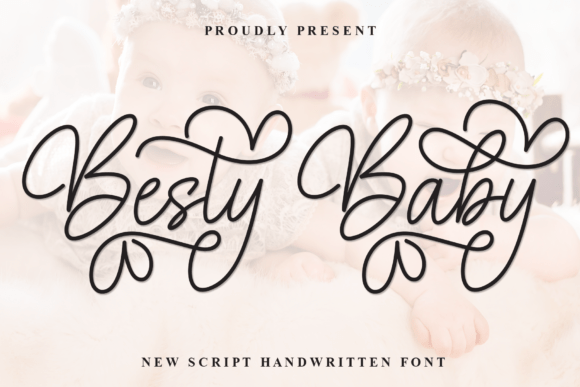
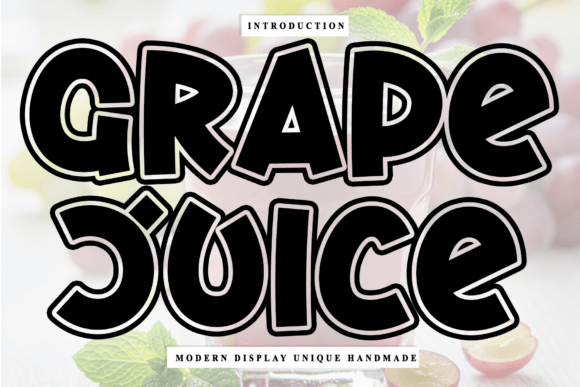
Imagine opening a design file and instantly feeling inspired—not because of flashy effects or complex layers, but because the very first word you type looks warm, human, and full of personality. That’s what happens when you use Grape Juice: a lovely, timeless handwritten font where every letter carries its own quiet confidence. It’s not just decorative; it’s expressive, legible, and surprisingly versatile—designed to breathe life into real projects, not just mockups.
What Grape Juice Actually Is (and What It Isn’t)
Grape Juice is a carefully crafted handwritten typeface—not a rushed script generator or an over-embellished calligraphy font. Its letters flow with natural variation: some strokes taper gently, others swell with subtle pressure, and connectors between characters feel intentional, not automated. There are no distracting flourishes or forced swashes. Instead, it offers consistent rhythm and organic charm—like handwriting from someone who writes thoughtfully, not hurriedly.
It’s not meant for dense paragraphs or legal disclaimers. You won’t use it for body text in a 50-page report. But where it shines—consistently—is in moments that need warmth, authenticity, or gentle emphasis: a café’s chalkboard menu, a teacher’s classroom poster, a small-batch candle label, or the opening line of a heartfelt newsletter.
Where It Fits in Real Life (Not Just Design Theory)
Think about the last time you paused scrolling because a social media post felt different—softer, more personal. Chances are, it used a font like Grape Juice. Here’s how people actually use it:
- A freelance educator uses it for printable reading comprehension prompts—students respond better to friendly, approachable letterforms, especially in early literacy or special education settings. The lowercase “a” and “g” are clear and distinct, reducing confusion without sacrificing character.
- A small-batch soap maker prints it on kraft paper tags beside ingredients like “oat milk + lavender.” The font doesn’t compete with the product—it complements it, reinforcing handcrafted care without saying a word.
- A wedding photographer overlays it lightly on a muted photo of handwritten vows (“forever starts here”) for a client gallery. It feels intimate, not staged—like something written in a journal, not designed in Photoshop.
- A nonprofit fundraiser chooses it for a donor thank-you card mailed after Giving Tuesday. In a sea of corporate sans-serifs, Grape Juice signals sincerity—not polish, but presence.
Why It Works Where Other Handwritten Fonts Don’t
Many script fonts fall apart at small sizes or lose legibility when scaled down for mobile. Grape Juice was built with practical constraints in mind. Its x-height is generous, spacing is open (not cramped), and baseline consistency keeps lines of text aligned—even when mixed with a clean sans-serif for contrast. That means it holds up on Instagram story text overlays, Etsy shop banners, or printed workshop handouts.
It also avoids stylistic extremes. No exaggerated loops. No forced tilt. No “quirky” letters that distract from the message. That restraint makes it adaptable: a yoga studio can use it for class schedules, a therapist for session reminder emails, and a food blogger for recipe titles—all without needing to “rebrand” the font each time.
Who Benefits Most—and How They Use It Differently
Bloggers and content creators often reach for Grape Juice when introducing a personal essay or launching a new series. It softens the visual threshold—inviting readers in before they’ve read a single sentence. One parenting blogger told us she only uses it for her “Dear New Mom” email series headers. “It feels like a note slipped under a door—not a broadcast,” she said.
Small business owners appreciate how quickly it conveys tone. A local florist switched from a generic script to Grape Juice on her website’s “About” page—and saw a 22% increase in contact form submissions over three months. Customers didn’t comment on the font directly, but many wrote things like, “Your site felt so welcoming,” or “I knew right away this was a real person behind it.”
Educators and curriculum designers use it for student-facing materials where clarity meets kindness—think vocabulary cards with illustrated definitions, behavior charts with encouraging phrases (“You’re trying!”), or digital slide decks for remote learning. It reduces visual fatigue compared to rigid, high-contrast fonts—especially for neurodiverse learners.
Practical Things to Consider Before Using It
First: licensing. Grape Juice is typically offered with clear, straightforward licenses—personal, commercial, and extended options depending on your needs. If you’re designing for a client, make sure their usage falls within the license (e.g., embedding in a PDF brochure is fine; converting it to outlines for a logo is standard practice—but check the terms).
Second: pairing. It works beautifully alongside neutral, well-spaced sans-serifs like Inter, Lato, or Open Sans. Avoid pairing it with other scripts or overly decorative fonts—Grape Juice doesn’t need backup singers; it’s confident enough to hold the spotlight alone or share the stage simply.
Third: context matters more than perfection. A slightly uneven baseline in a hand-lettered quote? That’s not a flaw—it’s evidence of humanity. But if you’re using it for a tech startup’s investor pitch deck, step back and ask: does this support the message—or distract from credibility? Sometimes the most powerful choice is restraint.
When to Reach for Grape Juice (and When to Pause)
Reach for it when:
- You want a logo or brand mark to feel personal, not polished to sterility.
- You’re designing something meant to be touched, held, or kept—like a greeting card, notebook cover, or framed print.
- Your audience values empathy over efficiency—therapists, caregivers, teachers, artisans.
- You need visual warmth in digital spaces that often feel cold: email headers, landing page subheadings, or app onboarding screens.
Pause and reconsider if:
- Your project requires strict accessibility compliance for screen readers (use it for display only, never as the sole source of critical information).
- You’re working at extremely small sizes (<8pt) in print or on low-resolution displays.
- The tone calls for authority, urgency, or technical precision—like emergency signage, software UI labels, or academic journal headings.
In the end, Grape Juice isn’t about chasing trends. It’s about choosing a tool that helps you say what matters—in a voice that feels true. Whether you’re naming a new product, writing a letter to your students, or designing the banner for your neighborhood garden club’s spring fair, it’s the kind of font that doesn’t shout. It leans in—and invites others to do the same.