Aligment: The Autumnal Script Font That Elevates Authentic Branding
When a brand needs to whisper sophistication—not shout it—Aligment steps in with quiet confidence. It’s not just another script font. It’s a carefully orchestrated balance of rhythm, contrast, and seasonal warmth—a typeface designed to feel hand-drawn by a master calligrapher on a crisp October afternoon. Whether you're refreshing a cider label, designing an intimate wedding suite, or setting a headline for a lifestyle magazine’s fall issue, Aligment delivers visual resonance that’s both intentional and inviting.
What Makes Aligment Stand Out in a Crowded Typeface Landscape?
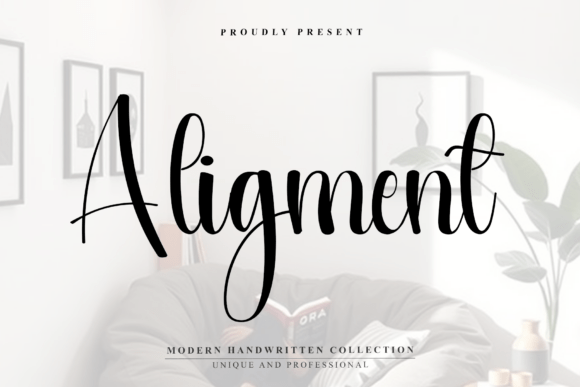
Many script fonts chase elegance—but few achieve it without sacrificing readability or authenticity. Aligment avoids that trap by grounding its artistry in deliberate structure. Its most defining traits aren’t decorative flourishes; they’re functional choices rooted in craftsmanship:
- High-contrast stroke modulation: Thick, anchored downstrokes provide stability and weight, while hairline connectors introduce airiness and movement—creating natural visual rhythm.
- Vertically elongated letterforms: Letters stretch upward with intention, lending height and presence without feeling cramped or forced—ideal for tight spaces like bottle necks or narrow invitation borders.
- Graceful, looping ascenders: Think of the tail of an “h” or the curve of a “b”—they don’t just extend; they flow, echoing the subtle lift of ink as a nib lifts from paper.
- Autumnal tonality: Not literal orange or rust, but a typographic warmth—achieved through balanced spacing, soft terminals, and restrained swashes that evoke harvest, hearths, and handmade care.
This isn’t nostalgia dressed up—it’s modern handwriting refined. Aligment belongs to a contemporary handwritten collection, meaning it was built for today’s design tools and expectations: OpenType features, consistent kerning pairs, and seamless web font compatibility are baked in—not bolted on.
Where Aligment Shines: Real Projects, Real Impact
Fonts don’t exist in isolation. They live inside context—and Aligment thrives where authenticity meets intentionality.
Artisanal Food & Beverage Packaging
Imagine a small-batch maple syrup label. The front panel needs to communicate heritage, care, and seasonality—without clichés. Aligment’s grounded downstrokes echo the richness of the syrup itself, while its looping ascenders suggest slow simmering and careful stirring. Paired with uncoated kraft paper and a minimalist layout, it feels honest—not manufactured. Similarly, craft cider brands, spiced chai blends, or heirloom pumpkin seed oils find immediate alignment (pun intended) with Aligment’s tactile, earthy authority.
Boutique Event Invitations
Weddings, vow renewals, intimate galas—these moments call for typography that honors emotion over ornamentation. Aligment works beautifully at scale: large enough to command attention on a pocketfold suite, delicate enough to nestle beside botanical line art or pressed leaves. Its vertical emphasis draws the eye naturally downward, guiding readers through names, dates, and details with calm authority. And because its letterforms avoid excessive ligatures or aggressive swashes, it remains legible—even when laser-cut into wood or foil-stamped onto cotton rag.
Sophisticated Editorial Headers
Digital or print, editorial design demands hierarchy that breathes. Aligment excels as a display face for feature headlines—especially in food, travel, wellness, or slow-living publications. Its rhythm supports scanning, while its warmth invites lingering. Try it at 48–60pt over a clean sans-serif body (think Inter or Lora), with generous line-height and thoughtful letter-spacing. You’ll notice how it adds gravitas without heaviness—like a well-told story that begins with a gentle, confident voice.
Practical Considerations Before You Commit
Even the most beautiful font falls short if it doesn’t serve your workflow—or your audience. Here’s what thoughtful designers and brand teams keep in mind before choosing Aligment:
- Licensing clarity: Confirm usage rights match your needs—whether it’s for a single client project, ongoing brand assets, or e-commerce product mockups. Some licenses cover desktop use but restrict web embedding unless upgraded.
- Pairing compatibility: Aligment sings alongside low-contrast serifs (e.g., Adobe Garamond) and neutral geometric sans-serifs (Manrope, Clash Grotesk). Avoid competing scripts or overly decorative companions—it’s meant to be the voice, not part of a chorus.
- Responsive behavior: At smaller sizes (under 24pt), certain characters—like the lowercase “g” or “y”—may lose subtlety. Reserve Aligment for display roles: headlines, quotes, logos, and short accent text. Let your body copy carry the load elsewhere.
- Cultural resonance: While universally legible, Aligment carries an understated European sensibility—think French patisseries, Scandinavian design studios, or Pacific Northwest ceramics studios. If your brand voice leans industrial, tech-forward, or ultra-minimalist, test it alongside your existing palette first.
How Aligment Fits Into Modern Creative Workflows
Today’s designers juggle Figma, Adobe Creative Cloud, Webflow, and Canva—often in the same week. Aligment was engineered for this reality. It includes standard and discretionary ligatures, stylistic alternates (for customizing “a”, “f”, and “t”), and full Latin-1 support—so accented characters in Spanish, French, or German render cleanly. Variable font versions (where available) allow fine-tuning of weight and width directly in supported apps—no need to switch files mid-design.
For developers integrating Aligment into websites: WOFF2 delivery ensures fast loading, and CSS @font-face declarations work seamlessly across modern browsers. Just remember to define fallbacks—something like font-family: "Aligment", "Playfair Display", serif; maintains hierarchy even if the custom font delays.
Why Seasonal Doesn’t Mean Temporary
Yes, Aligment is often described as “autumnal”—but that’s not a limitation. It’s a quality of tone: warm, grounded, reflective, rich in texture. Brands that lean into seasonal cadence—like quarterly subscription boxes, rotating café menus, or holiday pop-ups—find Aligment especially valuable because it adapts gracefully. A summer version might pair with airy linens and citrus photography; a winter iteration could anchor deep navy and velvet textures—same font, shifting context.
More importantly, Aligment avoids trend fatigue. It doesn’t rely on viral swashes or exaggerated bounce. Its strength lies in restraint—the kind that ages well, scales reliably, and feels personal without being precious.
A Final Thought: Typography as Tone-Setting Tool
In a world saturated with digital noise, Aligment offers something increasingly rare: quiet distinction. It doesn’t scream for attention—it earns it. When your audience pauses, reads slowly, and feels the care behind each curve and contrast, you’ve moved beyond aesthetics into emotional resonance. That’s not just good typography. That’s strategic communication—crafted, considered, and quietly unforgettable.